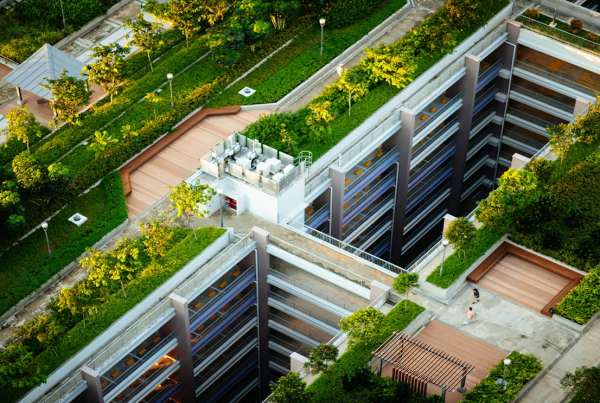


In the pursuit of sustainable buildings that also cater to human needs, the practice of biophilic design has gained renewed attention. It seeks to connect building occupants more closely to nature and impacts well-being and productivity.
Water features are one of the most powerful biophilic design elements. From the burble of a fountain to the expanse of a reflective pool, water can soothe, inspire and restore. The health and productivity benefits of water elements in sustainable buildings translate into real returns.
How Water Elements Support Wellness
According to the Environmental Protection Agency, the average American spends 90% of their time inside. This reality makes the quality of indoor environments especially critical. Water elements beautify spaces and contribute to a more restorative environment. Water feature productivity benefits are directly linked to health advantages, as a healthier, less-stressed individual is naturally more productive. Here’s how water elements in sustainable buildings translate into tangible productivity and health gains.
Stress Reduction and Mental Restoration
Research indicates that water can be a calming presence. It can increase relaxation, reduce blood pressure and slow the heart rate, creating a tranquil environment. Simply being around bodies of water and other natural environments can also improve concentration and memory.
Improved Air Quality
Indoor water features, like wall fountains, act as natural humidifiers by releasing moisture into the air, which can be helpful in dry climates. Proper humidity levels can help alleviate issues like dry skin, irritated eyes and respiratory discomfort.
Enhanced Focus and Cognitive Performance
The brain’s ability to focus is a finite resource. Constant background noise and digital distractions deplete this resource, leading to mental fatigue. Water elements help counteract this by masking distracting sounds and facilitating deeper concentration. According to Attention Restoration Theory, natural elements like water also help replenish cognitive resources, helping to reset focus.
More Creativity and Better Problem-Solving
By lessening stress and anxiety, water elements can help create a mental state that is more open to new ideas and creative solutions. The ever-changing qualities of flowing water can be subtly stimulating and inspiring.
Improved Workplace Morale
An aesthetically pleasing environment boosts employee morale and job satisfaction. Workspaces that incorporate biophilic design, including water features, are perceived as less stressful. Happy employees are more likely to stay with a company, thereby boosting retention.
How Water Elements Boost ROI
The wellness architecture ROI of water-centric design becomes clear when looking at its economic benefits. By enhancing well-being and productivity, water features can lead to the following tangible rewards:
- Increased property value: Research indicates that amenities like swimming pools and other water features can increase a property’s value by anywhere from 5% to 56%, making them a financial investment as well as a wellness one.
- Increased productivity: Biophilic environments can improve concentration, reduce mental fatigue and cause fewer distractions. For a business, this can translate into significant gains in output and innovation.
- Reduced absenteeism: The stress-reducing and air-purifying effects of water features can contribute to a healthier workforce, leading to less absenteeism and its associated costs.
- Higher employee retention: Employee turnover costs businesses an average of $36,723 annually due to expenses such as rehiring and productivity loss. A calming work environment can boost morale and job satisfaction, improving retention and reducing recruitment and training costs.
- Lower energy bills: Water features integrated with HVAC systems can provide additional cooling, lowering utility bills and putting less strain on HVAC units. This offers economic benefits and strengthens building performance health metrics, aiding sustainability efforts.
What to Consider When Implementing Water Features in Sustainable Architecture
While the benefits are clear, integrating water elements into sustainable buildings requires thoughtful planning and consideration.
Water features require regular maintenance to ensure they remain clean, safe and functional. This includes water treatment, cleaning and preventing issues like leaks or algae growth. The maintenance plan should be considered from the initial design phase.
The initial installation cost of a water feature can also vary widely depending on its size and complexity. Installing a pondless waterfall, for example, costs $7,000 on average, but can reach up to $10,000, depending on size, material, the amount of work required and customization. Ongoing operational costs, such as water and energy consumption, should also be factored into the total cost of ownership.
In addition, a sustainable water integration design is crucial. This can include using recycled or harvested rainwater, specifying energy-efficient pumps, and choosing materials with a low environmental impact. Artificial intelligence capabilities can also help reduce energy consumption by aligning a water feature’s operation with peak visitor times, reducing wasted electricity.
In any building, but especially in public spaces or those with children, safety is also paramount. The design of water features must comply with all relevant safety codes and regulations to prevent accidents.
Since water features can impact a building’s humidity levels and temperature, it is also essential to consider how a water feature will interact with the building’s HVAC and other systems to ensure a comfortable and healthy indoor environment that is also energy-efficient, promoting true sustainability.
The Tangible Benefits of Water-Centric Design
Integrating water elements in sustainable buildings combines biophilic design principles, wellness values and financial gains. These features can positively impact environmental footprints and support health and productivity, making them a critical component of truly sustainable design and human wellness-based architecture.