

For centuries, human progress has involved reshaping the world around it. Today, a new era of development is emerging — one that recognizes the most successful and resilient projects are those that work in harmony with nature. A shift in perspective is underway, moving from simply building on the land to building with it.
Real estate should adapt to the site, not the other way around. Discover why preserving an area’s natural features does more than just lessen ecological disruption and how collaboration with vital stakeholders makes it possible.
Why Collaborative Governance Matters
Collaborative governance is a structured approach where a wide variety of groups — including government bodies, community organizations, businesses and residents — coordinate to make decisions and take action together. Instead of a traditional top-down model, it pursues joint decision-making, giving ordinary citizens, government officials, entrepreneurs and nonprofits equal voice when crafting, implementing and managing policies from the beginning.
This consensus-driven approach acknowledges and respects the rights of the local populace, staking the project’s success on the goodwill between all parties involved. It promotes transparency, builds trust, inspires cooperation and fosters responsible stewardship.
Some sites present complex, multidimensional challenges that require ingenuity and pragmatism. Even the most experienced developers with deep pockets can only tackle them cost-effectively with the help of local partners. Collaborative governance can identify obscure issues, reducing the blind spots for developers and making it easier to prepare for contingencies.
Resource sharing creates an informed citizenry. Helping nontechnical stakeholders see the big picture enables them to appreciate the merits of development. Access to credible data on key subjects and training equips them with knowledge and skills to contribute in more meaningful ways over the long term.

Strategies for Natural Landscape Preservation
Input from vital stakeholders can transform traditional strategies for preserving a site’s natural features into community-tailored solutions that are more satisfactory for all parties. Here’s what that process would look like:
- Site assessment: Close community engagement enables developers to determine historically, culturally, and spiritually significant geographic features and the habitats and migration routes of critically endangered wildlife. This assessment is particularly important when handling ancestral lands.
- Sensitive area avoidance: Mapping the places tied to the identity of residents allows the development team to implement noninvasive methods, ensuring the protected areas remain untouched throughout the project.
- Tree protection plan development: Mutually agreed-upon protocols to mitigate damage help reduce the risk of public disapproval.
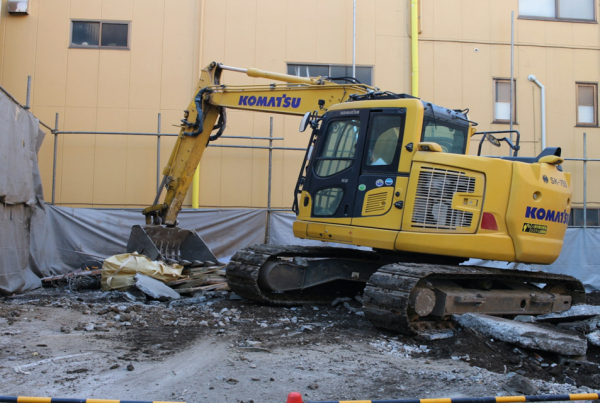
- Pollutant control: Part of sustainable land management is about implementing measures to prevent sediment from getting into waterways, which includes using tools like loader attachments for effective dirt collection. This approach inspires peace of mind for all stakeholders.
The Role of Site Architecture in Sustainable Development
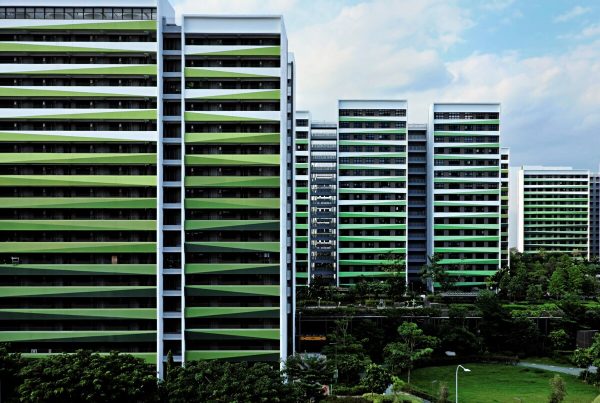
Sustainable site architecture differs from the traditional process of organizing a structure and the surrounding landscape on a plot of land. It provides a detailed blueprint for the harmonious integration of natural and human-made features in a location. Harmony between natural and built environments is crucial for achieving sustainability and reducing greenhouse gas emissions during construction and throughout the lifespan of a building.
Energy Efficiency
Passive solar heating and cooling are more feasible when structures adapt to their surroundings. Architects must consider building orientation to minimize unwanted solar heat gain and maximize the winter sun for indoor climate regulation and daylighting.
Strategic placement of openings with the prevailing winds in mind can enhance natural ventilation, thereby reducing cooling loads and improving air quality levels.
Preexisting groves of native trees provide shade in the summer, mitigating the impact of weather changes on a building’s energy requirements. Trees and shrubs can filter out particulates, cleaning the air before it reaches the structure.
Material Sourcing
Incorporating locally available building materials heavily into building design minimizes transportation-related emissions, cuts shipping costs, supports domestic industries and enhances supply-chain resilience. Structures with locally sourced materials also blend more seamlessly with the adjacent landscape.
Climate Resilience
Topography is rarely accidental. Undeveloped land is nature’s sculpture forged by tectonics and precipitation over millions of years. The following significant geographical features serve as physical barriers that moderate extreme weather events.
- Forests act as windbreaks, which weaken the intensity of storms.
- Vegetation with robust root systems reduces the risk of soil erosion.
- Grassland promotes water security by allowing rainwater to seep into the ground.
- Marshes and wetlands prevent flooding by trapping and slowly releasing water from downpours and storm surges.
- Coastal dunes protect inland areas from high winds.
Leaving critical natural features intact during site development is essential to allow nature to self-regulate and reap the benefits of weather protection without effort. In areas more prone to climate change, regenerative architects can design net-positive structures, such as green- or blue-roofed buildings, that play an integral role in creating climate-resilient communities.
Ensuring Harmonious Coexistence Between Natural and Built Environments
Preserving the natural features that make a site special is a nonnegotiable requirement for sustainable development. Through collaboration, all stakeholders can develop mutually beneficial policies to make land economically productive and climate-resilient without losing its natural spirit.