
Sustainable buildings have a reputation for costing more. At ALACE Expo ’26 in Vientiane, Lao PDR, that assumption was one of the first things to be challenged.
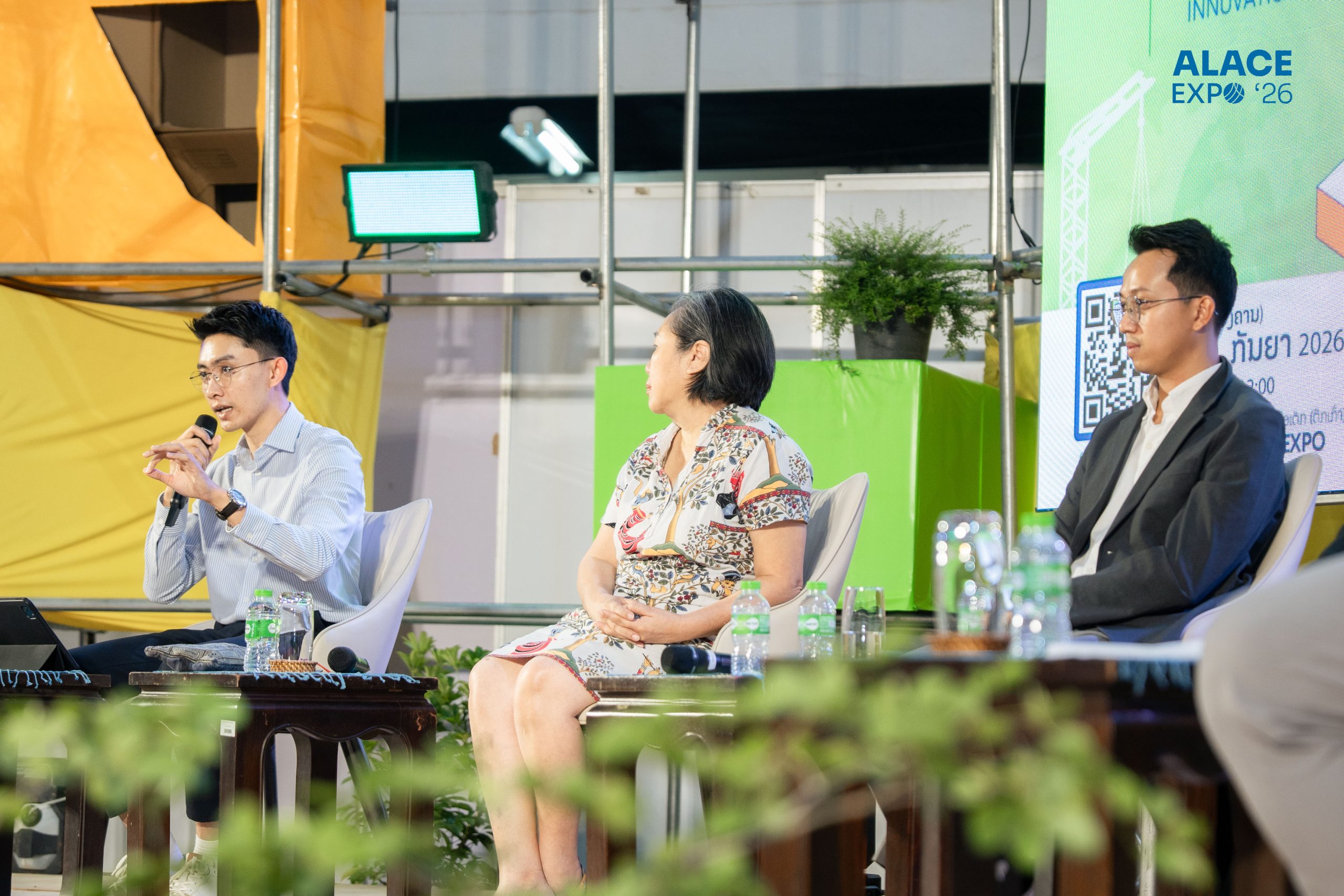
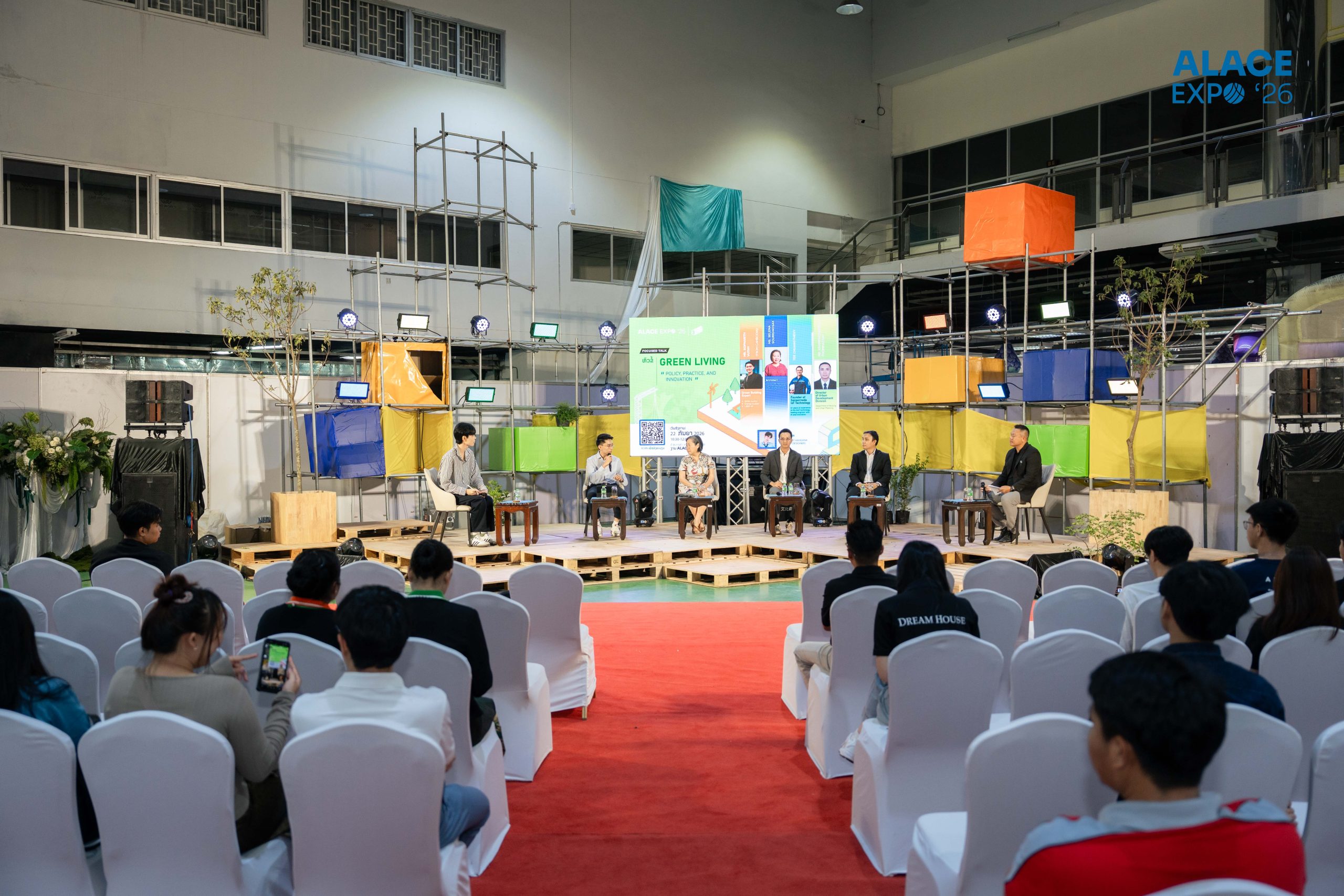
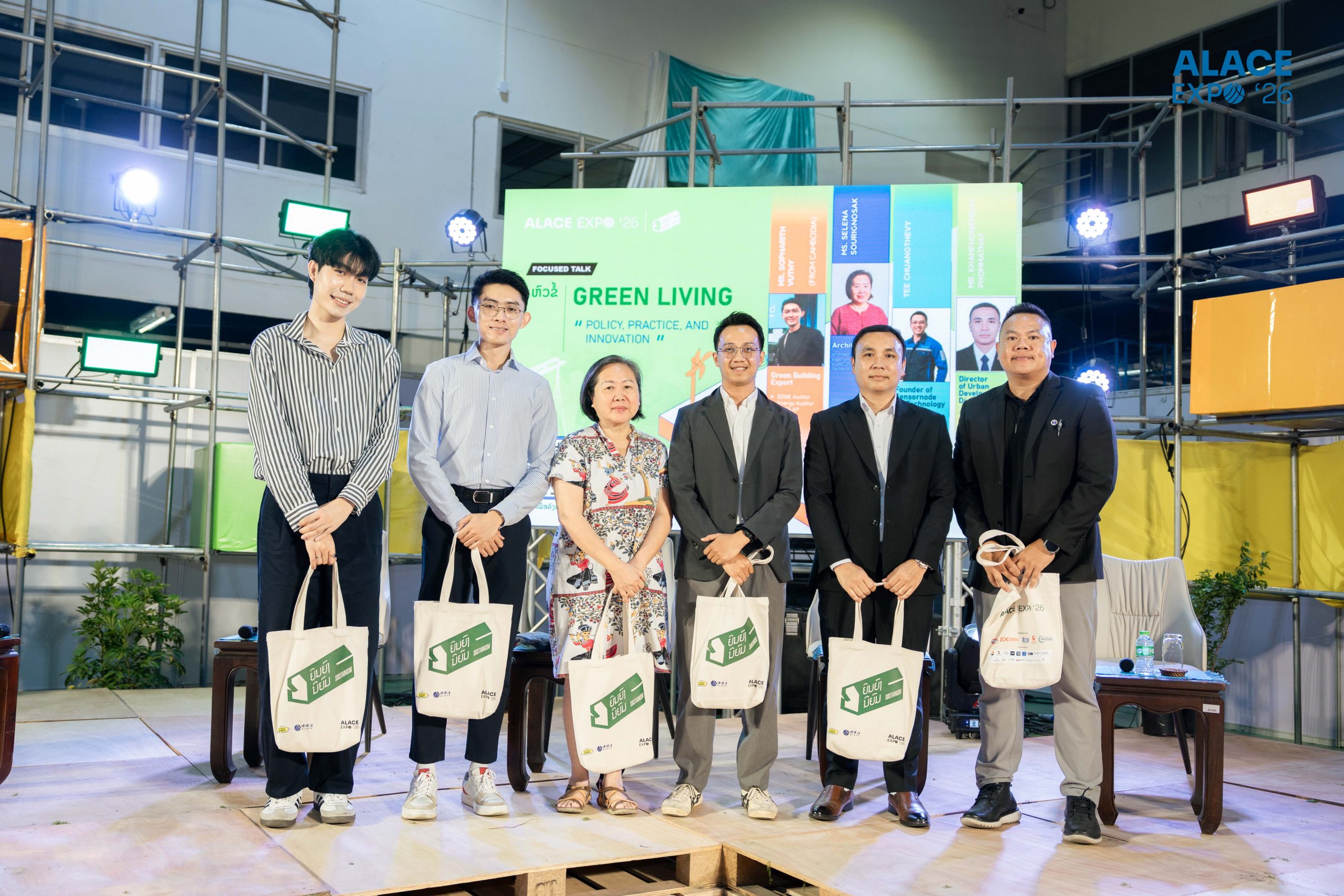
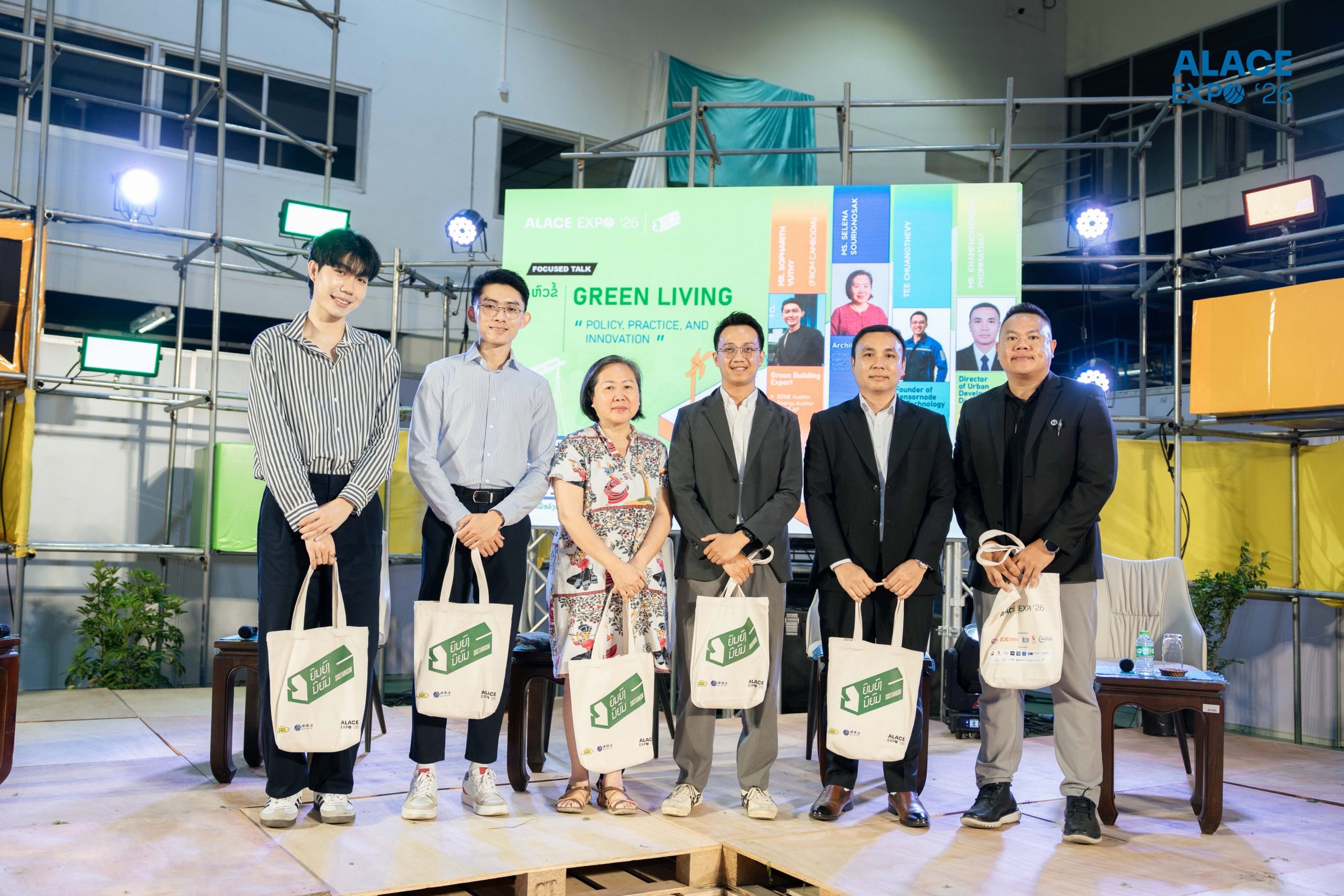
BEE joined the expo as a panelist on « Green Living: Policy, Practice, and Innovation, » a session built around a question the region asks often: what does sustainability actually mean for Southeast Asia, and can it be built without a premium price tag?
Green Living Is a Set of Decisions, Not a Product
The panel’s starting point was that green living is not primarily about solar panels, new technologies, or certification plaques. It is about the ordinary decisions that shape a building’s performance over time: how energy and water are used, which materials are chosen, how waste is handled, and whether the spaces created are healthier and more comfortable for the people in them. Certifications and technology support that work, but they are not the work itself.
The Cost Question, Answered With Timing
The panel also addressed the perception that sustainable buildings cost more to build. In practice, that is not a fixed rule. When sustainability is considered early in the design process, many strategies carry a low cost or no added cost at all. The order of operations matters: efficiency first, technology second, and a view of cost that extends past construction to the building’s full operational and life-cycle performance.
From Premium to Standard
Looking ahead, the panel discussion pointed to green living shifting from something treated as optional or premium to something expected as a baseline. For rapidly developing countries such as Laos and Cambodia, that shift comes with an opportunity: to draw on global experience while building solutions suited to local climate, culture, and economic conditions, rather than importing a standard wholesale.
The measure of success the panel set out was a simple one: a building stops needing the label « green building » once energy efficiency, environmental performance, occupant health, and responsible resource use are simply how buildings are built.
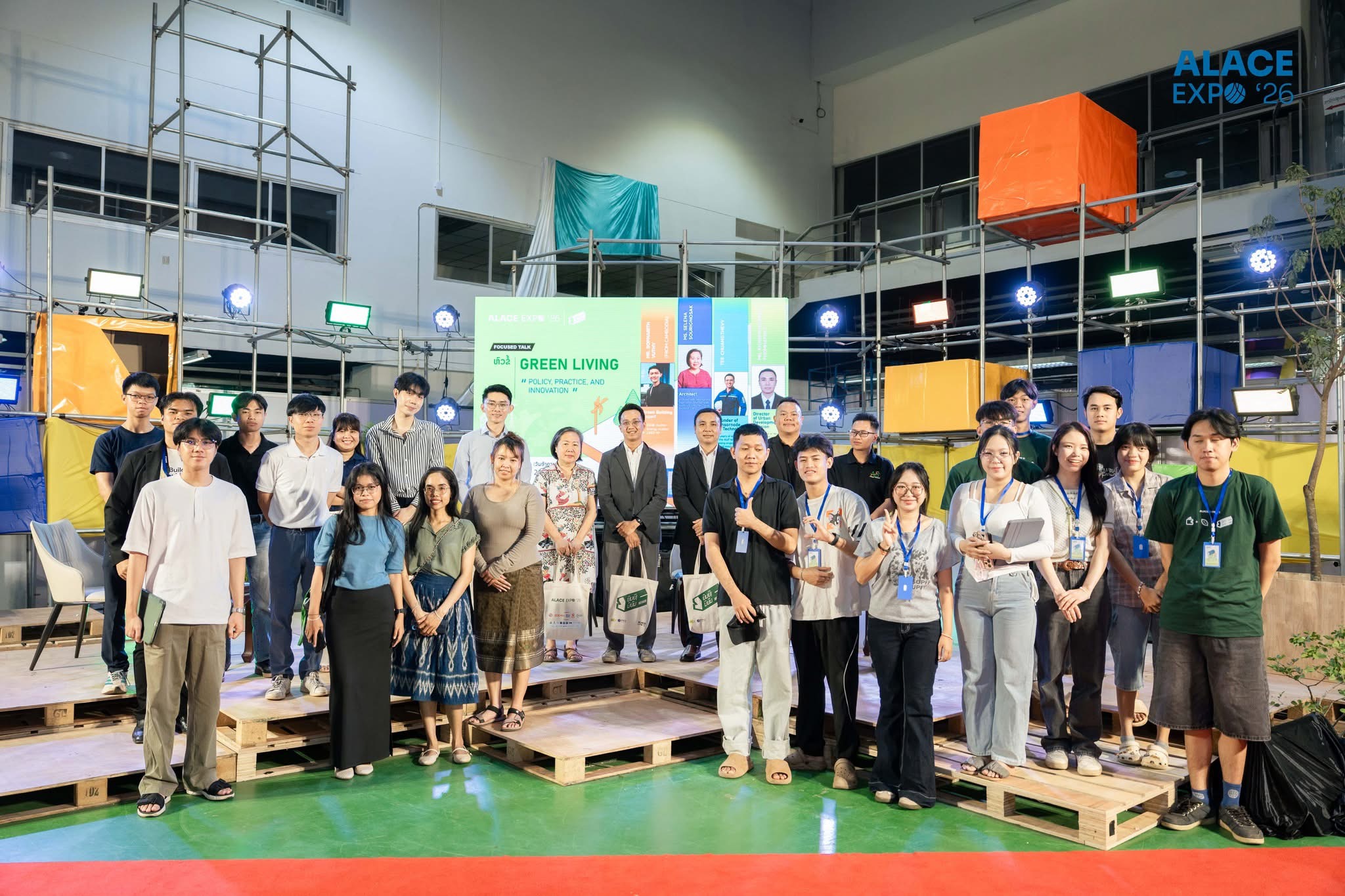
BEE thanks the ALACE Expo ’26 organizers and fellow panelists for the conversation, and the professionals across the region who took part in the discussion on advancing a more sustainable built environment in Southeast Asia.